
Small Steps, Big Discoveries: Family Micro-Adventures in the City
Today we dive into city mini-adventures for families, discovering urban nature without screens by swapping notifications for birdsong, sidewalks for trails, and curiosity for convenience. With a pocket map, patient eyes, and playful questions, familiar blocks transform into unexpected habitats, inviting children and adults to notice wind patterns, leaf shapes, cloud stories, and shy city wildlife while building confidence, connection, and delight together.
Starting Small: Five Blocks to Wonder
Begin with a loop so short it feels charmingly easy, then fill it with questions that stretch attention further than distance. Notice tree bark patterns, storm-drain murmurs, sun patches on benches, and tiny ant highways along curbs. Keep water handy, leave phones tucked away, and treat every bend as an invitation to slow down, kneel, and observe. These compact outings reduce planning stress and grow reliable rituals families love revisiting.
The Two-Tree Challenge
Pick two trees on your block and compare them like friendly detectives: leaf edges, bark temperature, bird visitors, and the shapes their shadows draw across the pavement. Bring paper to trace leaves and create rubbings, listening for wind rattles. Repeat next week and celebrate new changes. Children feel like experts when a small patch becomes familiar, and parents relax into a rhythm that requires almost no gear beyond curiosity and time.
Crosswalk Sound Safari
Pause safely at a corner and invite everyone to close eyes for thirty seconds, counting distinct sounds: brakes sighing, pigeons clapping wings, distant hammer taps, a squirrel scolding. Compare lists, then hunt for each source together, modeling awareness and caution near traffic. Soundmapping turns ordinary intersections into acoustic landscapes where kids lead, adults follow, and every beep becomes a clue. End by whispering the quietest sound you can find before moving on carefully.
Pocket Park Picnic
Pack a cloth napkin, apple slices, and a tiny scavenger list, then picnic on a low wall or patch of grass. Taste slowly while describing textures and scents drifting by. Identify three shades of green and one shape the clouds keep repeating. Before leaving, collect litter together and discuss urban kindness. These small rituals build stewardship, anchor memories to places, and prove that delicious adventure can bloom a few steps from your front door.
Crayon Cartography
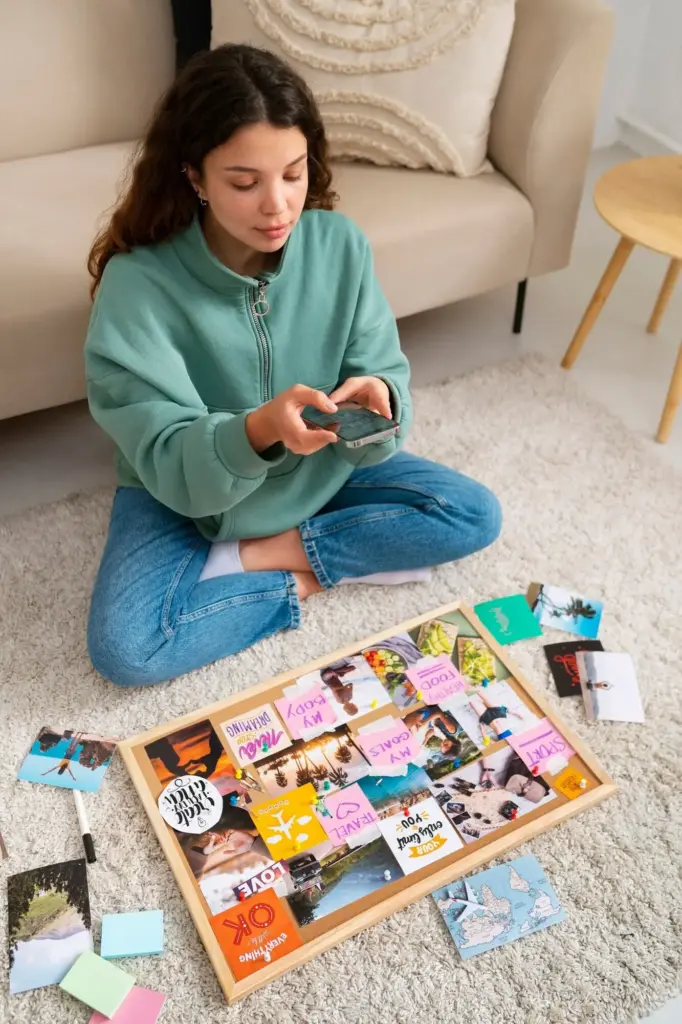
Sketch a simple loop with bold symbols for benches, trees, and friendly shops. Let children pick colors that match feelings, like calm blue for shady lanes or bright yellow for sunny corners. Tape the map to a clipboard, tuck a pencil behind an ear, and record discoveries along the way. By the end, the paper holds new legends, smudges, and stories—proof that drawing your own guide reveals details no digital screen would ever prioritize.

Compass Play
Introduce a pocket compass and practice cardinal directions beside a familiar mailbox. Ask children to face north, then hop east three squares on the sidewalk, spotting which plants favor the morning sun. Compare compass readings with shadows to explore how the day turns. This gentle experiment turns science into movement and laughter, grounding navigation in bodies and neighborhoods. Later, your paper maps gain arrows and confidence, transforming walks into cheerful expeditions kids proudly lead themselves.
Backyard Bird Minute

Stand still for sixty seconds and count every bird you notice by sight, song, or shadow. Children can assign nicknames like Stripe-Tail or Rooftop Dancer before learning common species together from a printed guide later at home. Track counts over days to spot trends, celebrating firsts like a robin’s lopsided run or a kestrel’s hovering hunt. The short duration keeps attention friendly, while repetition gently grows expertise and a sense of shared guardianship.
Sidewalk Safari Kit
Assemble a tiny, screen-free field kit: magnifying lens, recycled notebook, stubby pencil, a cloth for sitting, and a reusable jar with air holes for observation only, then release. Add a simple code of care that prioritizes creatures’ safety and habitats. With tools ready, every crack, leaf, and puddle turns into a laboratory. Observations become drawings, questions, and giggles, powering longer attentions and honest delight. Small equipment plus big patience equals reliable discoveries almost every single time.
Twilight Pollinator Parade
Head out near dusk when porch lights flicker and watch moths wobble like floating handkerchiefs. Listen for bats near trees and count how many insects circle a lamppost in a minute. Keep voices low and movements slow to reduce disturbance. Bring a red-filtered flashlight for gentle visibility and discuss why nocturnal animals prefer darkness. Finishing before bedtime helps everyone feel safe and cozy, wrapping the walk with warm cocoa and whispered, satisfied observations together.
Story Seeds: Turning Walks into Tales
Transform observations into narratives where bottle-cap treasure maps, stubborn weeds, and brave pigeons become protagonists facing friendly city challenges. Storymaking invites kids to process feelings about noise, crowds, and change, then plant solutions through playful imagination. Rotate roles—narrator, sound designer, illustrator—so every voice participates. Tales tether curiosity to compassion, deepening connection to place and people. Later, reread your stories at home to remember tiny adventures and spark the next outing with fresh excitement.
Found-Object Fables
Gather fallen leaves, a feather, and a smooth pebble, then assign personalities: a wise leaf mentor, an adventurous feather hero, a pebble anchor learning patience. Arrange them beside a bench and improvise a quest that crosses puddle villages and vine forests. Snap no photos; instead, speak details and listen. When finished, return every object respectfully. Children learn that storytelling belongs to hearts and hands, not only cameras, and that ordinary materials can carry extraordinary journeys.
Street-Haiku Exchange
Carry small paper slips and write city nature haiku together, trading lines between walkers. Celebrate sensory details—bus breath, rain freckles, gum-tree sap, sun puddles—until a stack of tiny poems gathers in your pocket. Read them aloud at the next corner like friendly signals, inviting neighbors passing by to smile. Back home, glue each haiku into a family notebook. Over weeks, a chorus of micro-poems becomes a memory map, guiding fresh steps with gentle rhythm.
Micro-Memoir Moments
After each short outing, invite a two-minute reflection describing one surprise and one feeling. Adults share, too, proving vulnerability helps everyone grow brave. Write in big, wobbly letters; sketch a leaf vein or brick pattern beside the words. These micro-memoirs turn attention into understanding, building emotional literacy through place-based noticing. Revisiting entries before the next walk encourages continuity, gratitude, and realistic planning, while honoring each child’s unique lens on the same shared block.
Weather-Proof Joy: Adventures in Any Forecast
Forecasts become invitations rather than obstacles when you prepare playful rituals for rain, heat, wind, or frost. Layer clothing, tuck socks in a dry bag, and embrace brief bursts rather than marathon miles. Weather shifts wake senses and inspire experiments with puddle depth, leaf aerodynamics, or cloud speed. Children learn resilience and safety judgment while families develop a reliable kit. Each forecast adds new flavors to familiar streets, keeping curiosity fresh, resilient, and wonderfully adaptable.
Rain Rituals
Declare a puddle parade and measure splashes with counting games, comparing drip rhythms under awnings and trees. Notice how smells sharpen and colors brighten when everything is wet. Draw a raindrop chart in your notebook and rate puddle personalities from Shy Ripple to Boisterous Splash. End with dry socks, warm cocoa, and a quick gratitude circle. Consistent, cozy endings help kids associate weather with comfort and courage, turning gray mornings into sparkling, remembered play.
Winter Constellation Stroll
Print a simple star wheel, wrap scarves cozy, and take a short evening loop to spot bright winter landmarks like Orion’s belt or a brilliant planet near the horizon. Even in cities, a handful of stars cut through glow if you shield eyes briefly. Use a red-tinted flashlight to protect night vision and speak softly. End promptly for bedtime. This tradition gives cold air a purpose, weaving science, wonder, and dependable family rhythm into crisp, glittering walks.
Shade and Breeze Chase
On hot days, plan a loop that threads shade corridors along tall buildings and tree-lined streets. Pause where breezes funnel between corners, drinking water frequently and watching how birds seek cooler perches. Notice heat shimmer above pavement and compare ground temperatures with hands hovering safely. End in a cooled hallway or library nook to sketch observations. By designing comfort into routes, families model wise self-care while staying curious, playful, and joyfully persistent despite summer intensity.
Community Trails: Connecting with Neighbors
Local gardens, librarians, park stewards, and shopkeepers enrich these tiny expeditions with conversation, permission, and practical wisdom. A wave leads to plant names, a question becomes a shared map, and a library bulletin board suggests seasonal discoveries. Teach children to greet, thank, and listen. Community connection supports safety, spreads kindness, and multiplies invitations to notice deeper layers of place. Sharing your routes also encourages others to try, sustaining a gentle cycle of neighborhood wonder.
Little Free Library Quest
Chart a loop visiting three little libraries, bringing a gently used nature picture book to trade. Note the box designs and the landscaping around them—pollinator plants, painted stones, tiny benches. Leave a handwritten card with your favorite leaf to press. Back home, read your new find aloud and mark the loop on your master paper map. This tradition blends literacy, generosity, and local exploration, turning neighborhood corners into dependable, book-scented landmarks families love revisiting.
Garden Gate Conversations
When you pass a community garden, ask permission to observe respectfully from the path. Notice pollinator hotels, compost bins, and the clever ways gardeners capture rain. Children can sketch a favorite plant, then gift the drawing as a thank-you. These micro-chats build confidence and real-world knowledge that deepens with each visit. Neighbors become mentors, plants become friends, and your family learns to treat every space with gratitude, careful footsteps, and delightfully curious, patient questions.
Chalk-It-Forward Map
With washable chalk, draw a friendly sidewalk route showing a safe loop past a tree, bench, and mural. Add simple symbols for listening stops and kindness pauses. Invite passersby to try it and share their favorite find with you later by note or wave. Encourage readers to subscribe for monthly route ideas, comment with discoveries, and nominate new corners to highlight. Generosity turns small maps into community threads, weaving shared joy across familiar streets together.
All Rights Reserved.